5 Animal-Friendly Businesses You Can Support (in the Lower Mainland)

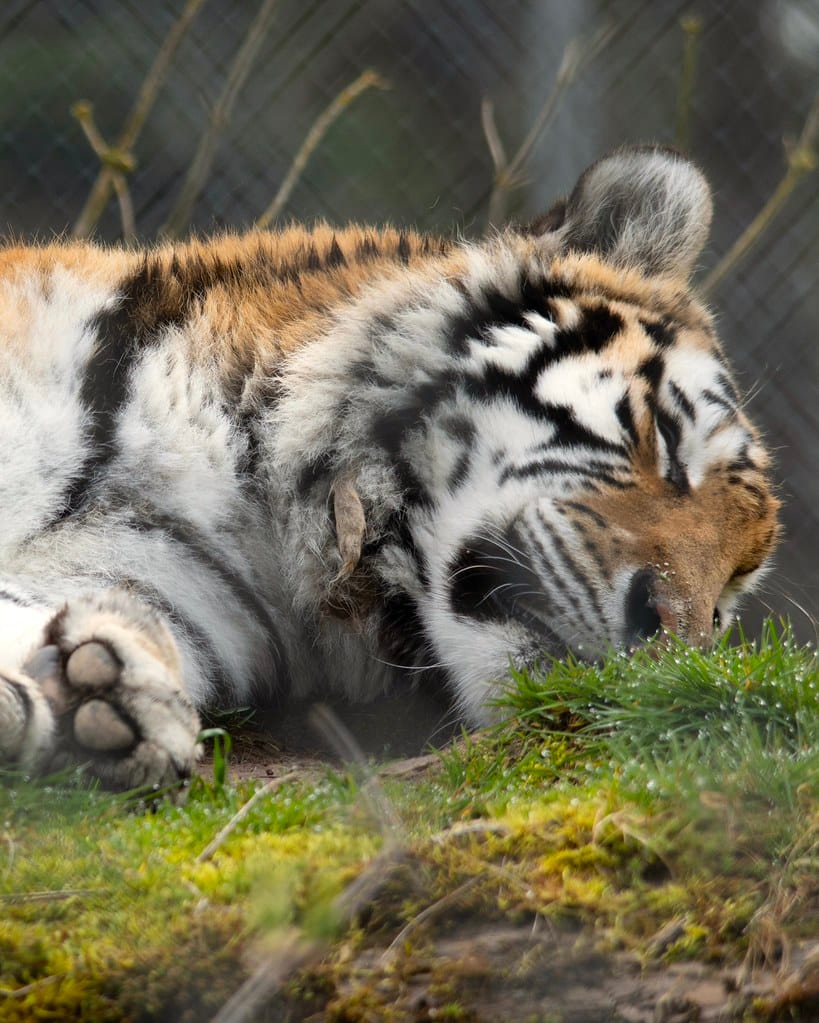
If you love animals, it’s easy to feel stuck between wanting to connect with them and wanting to make ethical choices. The good news? There are places—right here in the Lower Mainland—that genuinely care for animals while educating and engaging the public.
Whether it’s a small farm, a sanctuary, or a larger facility with a conservation mission, your visit (or support) can actually make a difference.
Here are five animal-focused businesses and organizations worth checking out:
🐐 Maplewood Farm
Tucked away just minutes from the city, Maplewood Farm is one of the most accessible and hands-on animal experiences in Metro Vancouver.
This working farm is home to over 100 domestic animals—from goats and rabbits to horses and cows—and focuses on education through interaction. You can walk into enclosures, watch daily milking demonstrations, and actually learn where your food comes from in a real, tangible way.
What makes Maplewood special isn’t just the animals—it’s the tone. It’s local, grounded, and built around respect for animals rather than spectacle.
How to support:
- Visit regularly (memberships help)
- Donate supplies like hay or feed
- Bring friends or kids and introduce them to farm life
🐻 Greater Vancouver Zoo
The Greater Vancouver Zoo is one of the larger animal organizations in the region, with a stated mission focused on conservation, education, and connecting people to wildlife. It houses many rescued, donated, and orphaned animals across a large, natural setting.
Zoos can be complicated—and it’s worth thinking critically about them—but they can also play a role in conservation, rehabilitation, and public awareness when done responsibly.
If you go, go thoughtfully: pay attention, ask questions, and engage with the educational side—not just the entertainment.
How to support:
- Visit with intention
- Support conservation programs
- Share what you learn (not just photos)
🐄 Aldor Acres Family Farm
Aldor Acres is a family-run farm in Langley that blends agriculture, education, and animal care.
This is the kind of place where animals aren’t just “on display”—they’re part of a working ecosystem. You’ll find cows, goats, chickens, and more, along with seasonal events that bring people closer to farming life.
It’s especially strong in showing the relationship between humans and animals in a transparent, respectful way.
How to support:
- Attend seasonal events (pumpkin patch, farm days)
- Buy local farm products
- Bring kids to learn where food actually comes from
🐖 Happy Herd Farm Sanctuary
If you’re looking for something more explicitly animal-first, Happy Herd is a farm sanctuary dedicated to rescuing and caring for animals—especially those saved from the food system.
This is not a petting zoo. It’s a place that invites you to rethink your relationship with animals entirely.
Visits are typically guided and focused on storytelling: who these animals are, where they came from, and why their lives matter.
How to support:
- Book a sanctuary tour
- Sponsor an animal
- Donate or volunteer
🐓 Richmond Country Farms
Part market, part farm experience, Richmond Country Farms is a great example of a business that connects people to animals through everyday life—food.
While it’s known for produce and seasonal events, you’ll also find farm animals on-site, giving visitors a more grounded, less curated look at rural life.
It’s not flashy—but that’s kind of the point.
How to support:
- Buy local produce
- Visit during seasonal events
- Support small-scale agriculture
Why It Matters
Where you spend your time and money shapes the kind of world you’re supporting.
Some places treat animals as attractions. Others treat them as living beings with value beyond entertainment.
The difference isn’t always obvious at first glance—but it’s worth paying attention to.
A good rule of thumb:
- Are you learning something real?
- Do the animals seem respected, not just displayed?
- Does the place have a purpose beyond profit?
If yes—you’re probably in the right place.
- Michael Paul Jacobsen


